
6 VPNs to consider when in need of safe browsing
Everyone occasionally stumbles upon region-restricted content while browsing the internet. That can be frustrating, as people are sometimes prevented from accessing content they are interested in, purely because of the part of the world they are browsing from. Another major issue is that users’ personal data and online activity are often valuable information for companies, governments, and hackers. This privacy risk is one of the main reasons people choose to conceal their identity online. But how can that be done? Enter VPN!
What is a VPN?
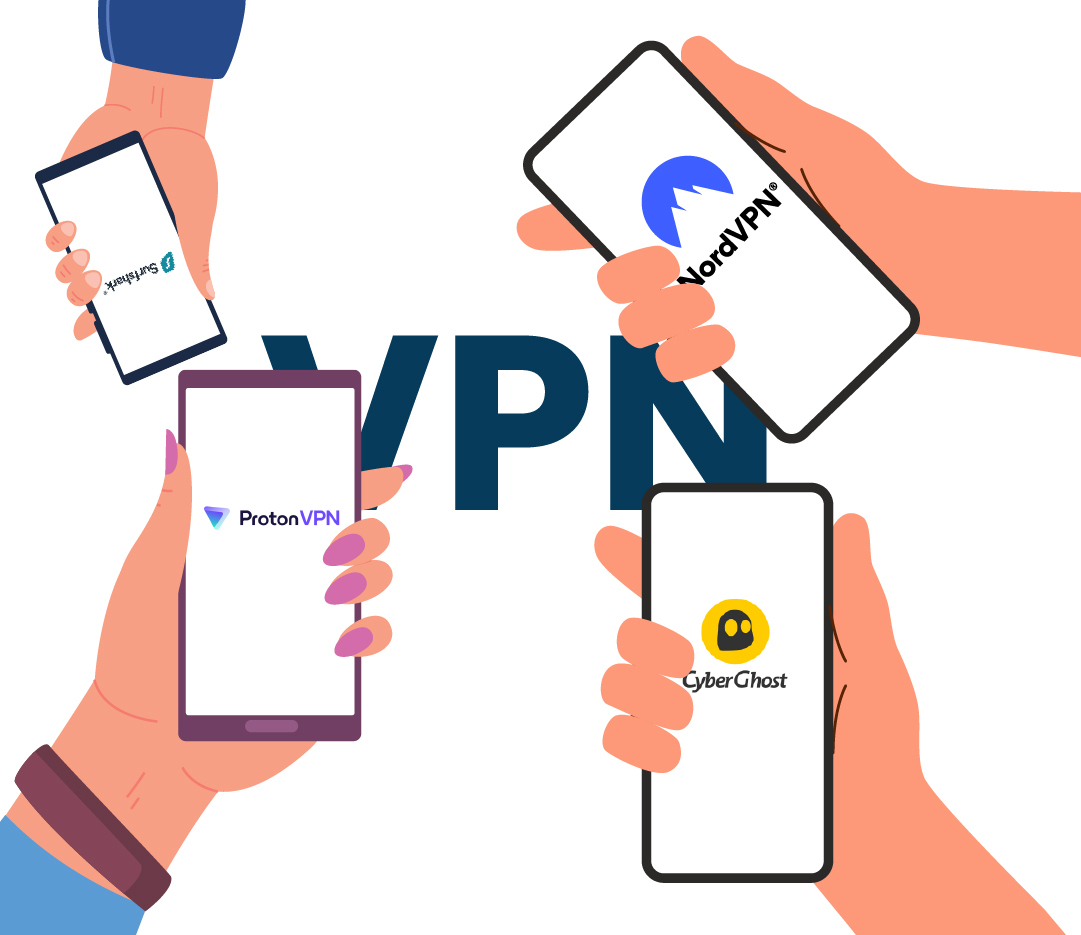
VPN stands for Virtual Private Network. It allows you to browse the web safely by concealing your real IP address, encrypting your data, and finding a secure path to your intended location. This ensures that no one, except your VPN provider, knows your real location or identity. There are many VPNs available, and choosing the best one depends on your needs, personal preferences, and budget. VPNs can be used for internet security, streaming, and privacy protection. Here are some of our picks you should consider. Note that they are not listed in any particular order.
NordVPN
NordVPN is a high-security VPN. Its security features include an ad blocker, anti-censorship protocols, and multi-hop connections. One of its strongest points is speed, making it ideal for streaming, as it bypasses most geographical restrictions. NordVPN also offers features like Onion over VPN and split tunneling. The company has a strong no-logs policy, and up to ten simultaneous connections are supported.
ExpressVPN
ExpressVPN is very popular due to its wide geographical coverage. Although it lacks a multi-hop feature, it is secure and has no history of data breaches. ExpressVPN is excellent for streaming, offering high speed and compatibility across platforms. Its browsing extensions are fully encrypted, and the kill switch works reliably. However, split tunneling is not available on macOS.
ProtonVPN
ProtonVPN performs excellently in terms of privacy and has open-source application components. It strongly supports a no-logs policy and transparency and has a history of promoting digital freedom. A major advantage over competitors is that its free plan has no data limit. However, the free plan has limitations: free users cannot unblock streaming services and cannot choose their server location. ProtonVPN is fast, has very good customer support, and can successfully unblock regional content. It also offers a large number of servers to connect to.
Surfshark
Surfshark offers a great quality-to-price ratio. Its paid plans are affordable, and it provides excellent features even for free users. Security features include a kill switch (must be manually enabled), a no-logs policy, multi-hop servers, and a rotating IP address. Surfshark also includes an Android GPS spoofing feature, making it smartphone-friendly. Like other VPNs mentioned, Surfshark is fast and reliable.
CyberGhost VPN
CyberGhost VPN provides a user-friendly trial experience without requiring payment details. It has a large network of servers and an intuitive design. CyberGhost includes an effective Smart DNS tool to unblock geographically restricted apps. While it may be slower than some competitors, it offers a no-logs policy and a reliable kill switch.
Total VPN
Total VPN is fast, reliable, and secure. Its advanced encryption technology protects users, even on public Wi-Fi. It also includes features like an ad blocker and offers antivirus protection when bundled with TotalAV. The service supports customer safety and covers a wide range of regions.
Conclusion
As you can see, there are many high-quality VPN choices. The right one depends on your needs and preferences. Some great VPNs didn’t make our list, but still protect online data effectively. We’d love to hear your favorite VPN in the comments, and let us know which VPN feature you find most useful?
